Skip to content
QtywiseExplore tools ↗

Carpet Calculator

Compare carpet roll directions, strip counts, seam length and purchase waste, including pattern-repeat rounding and optional underlay and fitting costs.

Created by:
Jamie C.
Jamie C.

Across her work, Jamie focuses on bridging operational precision with practical technology adoption. She develops industry-specific calculators, software guides, and technical content tailored to the construction, residential living, HVAC, and artificial intelligence sectors. By pairing hands-on systems design with advanced AI and automation workflows, her resources empower trade specialists, contractors, and growing teams to eliminate bottlenecks, forecast project requirements accurately, and run more efficient operations. Fluent in five languages, Jamie approaches every tool and article with an emphasis on clarity, actionable utility, and real-world results.

View profile

Strip count = ceil(cross-room dimension ÷ roll width); cut length = room run + 2 × end allowance, rounded to pattern repeat; purchase area = roll width × total purchase length

How to Calculate Carpet Area from Room Feet to Square Yards

When planning a carpet installation, room measurements are taken in feet, but carpet is traditionally priced and sold by the square yard in North America and the UK. To convert your room dimensions:

  1. Measure Room Dimensions: Measure the longest length and width in feet, including alcoves and doorways.
  2. Calculate Square Footage: Multiply length by width: Square Feet = Length (ft) × Width (ft).
  3. Convert to Square Yards: Divide total square feet by 9: Square Yards = Square Feet / 9. For broader area conversions, verify with our Square Yard Calculator.

Worked Example: Calculating a 450 Carpet Area to Square Feet and Yards

A common search scenario involves converting a 450 sq ft carpet area to square feet and yards:

  • Net Square Footage: 450 sq ft (for example, a 15 ft × 30 ft basement living area).
  • Convert to Square Yards: 450 sq ft ÷ 9 = 50.0 square yards.
  • Add Cutting and Seam Waste (10%): 50.0 × 1.10 = 55.0 square yards.
  • Padding Needed: 450 sq ft (or 50 sq yards) of moisture-resistant 7/16-inch or 8 lb rebound foam padding.
  • Budgeting Labor & Installation: Check our detailed Carpet Installation Cost Calculator to estimate contractor labor, old carpet tear-out, and furniture moving fees.

Understanding Standard Carpet Roll Widths and Seam Placement

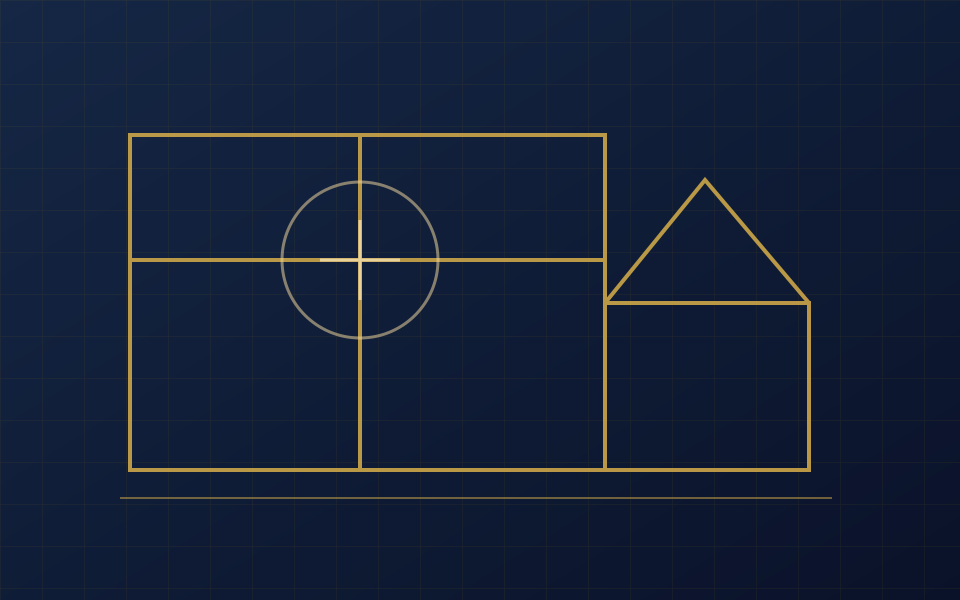
Wall-to-wall broadloom carpet is manufactured in fixed widths, most commonly 12 feet (144 inches) and 15 feet (180 inches). If a room is 13 feet wide, ordering a 12-foot roll requires a seam along the length of the room, creating an off-cut remnant. Placing carpet seams perpendicular to major windows and away from primary traffic lanes minimizes visible wear.
Project worksheet

What are your carpet inputs?

Rectangular room layout only. Carpet pile direction, matching between strips and installer seam locations must be approved before ordering. Offcuts are not reused between rooms.

Units

How do I embed this calculator?

Frequently asked questions

What questions come up about this calculation?

How do you convert square feet to square yards for carpet?

Divide your total room square footage by 9. For example, a 180 sq ft bedroom equals 20 square yards (180 ÷ 9 = 20 sq yd). Add 10% extra for trimming and waste.

How many square yards is a 450 carpet area?

A 450 square foot carpet area equals 50 square yards (450 ÷ 9 = 50 sq yd). Adding a standard 10% cutting and seam allowance brings the total recommended order to 55 square yards.

What is the standard measurement unit used by carpet installers?

In the United States and Canada, room measurements are taken in linear feet and square feet, but broadloom carpeting materials and bulk quotes are specified in square yards (where 1 sq yd = 9 sq ft).

Sources

Which sources support this calculation?

  1. NIST: SI units
  2. Carpet and Rug Institute: installation standards
Created by

Who created this carpet calculator?

Jamie C.

Across her work, Jamie focuses on bridging operational precision with practical technology adoption. She develops industry-specific calculators, software guides, and technical content tailored to the construction, residential living, HVAC, and artificial intelligence sectors. By pairing hands-on systems design with advanced AI and automation workflows, her resources empower trade specialists, contractors, and growing teams to eliminate bottlenecks, forecast project requirements accurately, and run more efficient operations. Fluent in five languages, Jamie approaches every tool and article with an emphasis on clarity, actionable utility, and real-world results.

View author articles ↗
From the blog

Which related articles can help you plan?

How do I cite this tool?

Copy the citation below.